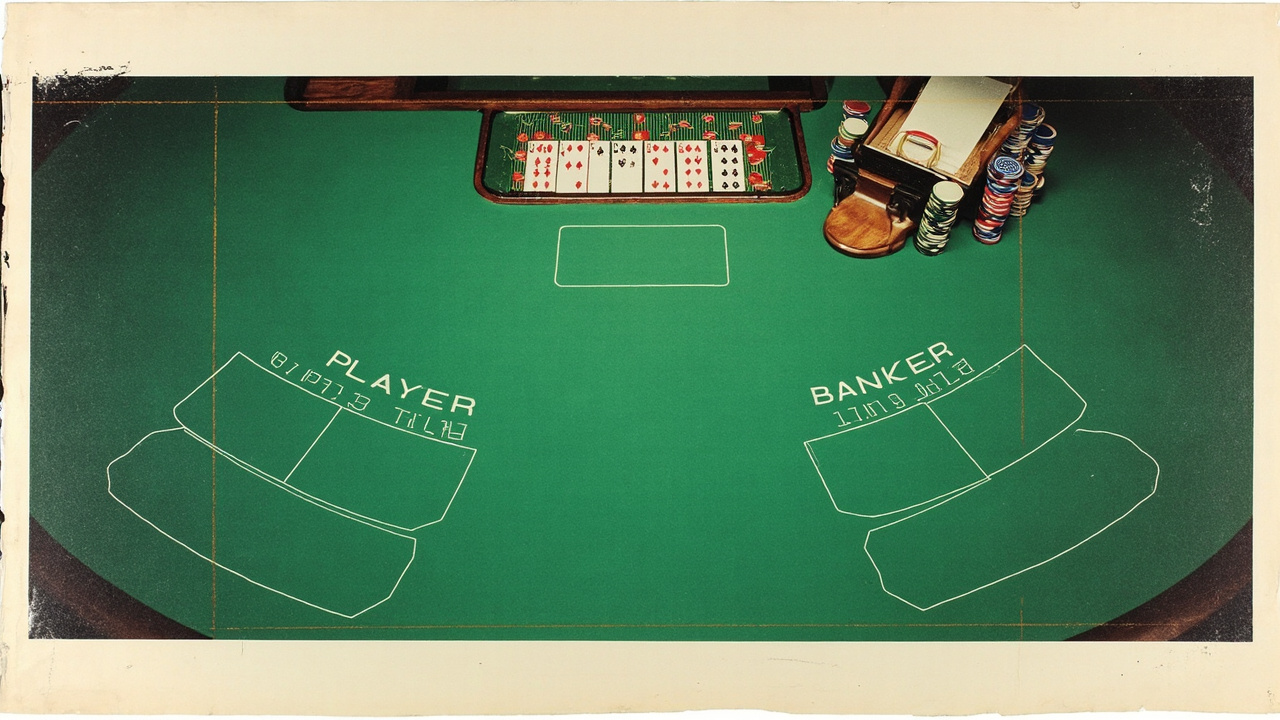
The 21+3 side bet blackjack guide breaks down a wager that pays out when your first two cards combine with the dealer’s upcard to form a over here suited three-of-a-kind or straight flush. It is a fast, visually clear add-on that suits casual sessions more than grinders chasing flat returns. I have spent years auditing how integrated media and brand reputation shape search visibility across gambling verticals, and this side bet is a useful case study in how a simple mechanic can feel premium while carrying a higher house edge than the base game. Local operators in Wollongong often list it as an optional toggle, which keeps the main table readable without cluttering the felt.
How the 21+3 Side Bet Actually Works
The wager triggers on the first deal, using the player’s two cards plus the dealer’s exposed card. Payouts depend on the combination formed, with a suited three-of-a-kind usually returning the highest rate and a straight flush sitting just below it. Most Australian-facing tables use a standard eight-deck shoe, which changes the combination frequency compared with a single-deck setup. I have reviewed similar side mechanics for publishers who need clear, conversion-focused copy, and the pattern is consistent here: the payout table looks generous, but the underlying odds shift noticeably once you move from a heads-up view to a full shoe distribution.
The real condition is that you are betting on a specific three-card pattern, not on the outcome of the hand itself. That means a weak base hand can still produce a winning side bet, and a strong blackjack can miss the side entirely. For players who enjoy the visual payoff, that unpredictability is the point. For anyone tracking expected value over a long session, the trade-off is clear: the side bet adds variance and a steeper edge, so it works best as an occasional toggle rather than a default stance.
Reading the Table and Managing the Wager
Payouts, frequency, and the house edge reality
The payout grid is the first thing to check, because two tables can both call themselves 21+3 and still pay differently on the same combinations. A suited three-of-a-kind might return 50:1 on one layout and 30:1 on another, while smaller combinations such as a mixed three-of-a-kind or a straight settle at lower tiers. The frequency of those patterns depends on deck count, shuffle method, and how often the dealer peeks for blackjack, so a payout that looks strong on paper can soften once you factor in how often the combination actually appears.
I have advised brands that want to position a product as approachable to keep the numbers plain and the edge honest, because vague “big win” framing tends to attract the wrong expectation. The same judgement applies here: the side bet is entertaining, but it is not a quiet way to flatten the house edge on the main game. If you are sitting down for a relaxed arvo session and want a small extra thrill on each deal, the mechanic fits. If you are trying to stretch a bankroll through a long evening, the base blackjack decisions will usually do more work than the side wager.
Where the bet fits in a normal session
The practical use is as a discretionary add-on, not a structural part of the hand. You can leave it off for most deals and enable it when the cards catch your eye, which keeps the main strategy intact while still giving you the occasional payout moment. That flexibility matters because the side bet does not change the dealer’s play rules or your basic strategy decisions, so it sits beside the core game rather than inside it. Players who treat it as a small, separate line item tend to enjoy it more than those who raise it automatically every hand.
For a Wollongong local popping into a live table on a weekend, the option is usually easy to spot and quick to toggle, which suits a casual pace. The same convenience can tempt you into raising it out of habit, so the discipline is simply to treat it as a paid entertainment line with its own odds, not as a bonus layer on top of a winning base strategy.
Matching the Side Bet to Your Play Style
The 21+3 side bet makes the most sense for players who want a short, visually rewarding moment without rebuilding their entire approach to the table. It is a good fit for someone who already understands basic blackjack decisions and wants a small extra line that does not interfere with them. It is less suited to a player who is counting composition, chasing flat expected value, or trying to keep every dollar working on the main hand. The distinction is not about skill levels in a moral sense; it is about what you are trying to get out of the session.chickenroad2au.org
If your priority is a steady, strategy-led run with occasional colour, you can treat the side bet as a limited entertainment spend and keep the base game as the main event. If your priority is to keep variance low and let the base decisions do the work, leaving the side wager off most of the time is the more honest fit. I have seen the same pattern across integrated media campaigns where a product is genuinely usable but still needs a clear boundary, because a feature that is fun in the right context can mislead when it is presented as a default.Advanced blackjack strategy for smarter casino
A mate of mine from the Illawarra and I were sitting over flat whites at a pub near the harbour, talking about a long weekend session and whether the side bet was worth keeping on. He reckoned it was fine for a few hands if the table felt lively, but he would switch it off once the pace picked up and the shoes started running cold. I agreed, because the wager is pleasant when it catches a suited combination early, but it stops being fun the moment it becomes a habit that quietly eats into the main bankroll.
The sensible takeaway is to decide before you sit down what role the side bet plays in your session, then stick to that role regardless of how the first few deals look. That keeps the entertainment value intact without letting a flashy payout grid quietly redefine your expectations.
The 21+3 side bet is a clear, optional extra that suits casual players who want a small thrill on top of a familiar blackjack hand, provided they accept the higher edge and treat it as a discretionary line rather than a core strategy tool.